
Are you part of the bustling commercial vehicle world in the United States?
If your business moves cargo or people, please know about DOT numbers.
This guide put together by EasyWayPro, gives you the key info to handle this important part of following rules and staying safe in your work.
What is a DOT Number (USDOT Number) in 2026?
A DOT Number (also known as USDOT Number) is a unique identifier assigned by the Federal Motor Carrier Safety Administration (FMCSA) to companies and individuals operating commercial motor vehicles in the United States.
It serves as your company’s permanent federal safety ID and is required for most trucking, passenger, and hazmat operations.
What Does a DOT Number Do?
The USDOT Number allows FMCSA to:
- Track your company’s safety performance (inspections, crashes, violations)
- Monitor compliance with federal regulations
- Identify you during roadside inspections and audits
- Collect data for the CSA (Compliance, Safety, Accountability) program
In short: Your DOT Number follows your company forever and cannot be sold, transferred, or leased to another entity.
DOT Number vs MC Number vs Operating Authority (2026 Update)
| Identifier | Purpose | Required For | 2026 Status |
|---|---|---|---|
| USDOT Number | Safety identification & tracking | Most commercial operations | Main identifier (unchanged) |
| MC Number (Authority) | Operating authority (economic right to haul for hire) | Interstate for-hire carriers | Phasing out as separate number; now shown as suffixes on USDOT |
| Operating Authority | Legal permission to transport for compensation | Interstate for-hire operations | Tied to USDOT Number |
FMCSA continues the rollout of the Motus registration system. Standalone MC Numbers are being phased out. In the future, different types of authority will be indicated by suffixes attached to your USDOT Number. Existing MC Numbers remain valid during the transition.
Who Needs a DOT Number in 2026?
You need a USDOT Number if you operate a vehicle that meets any of these conditions:
- Gross Vehicle Weight Rating (GVWR) of 10,001 lbs or more
- Transporting hazardous materials requiring placards
- Designed to transport 9 or more passengers (including driver) for compensation
- Operating in interstate commerce (across state lines)
Many states also require a USDOT Number for intrastate operations.
Note: Even owner-operators and small fleets must register.
How to Get a DOT Number in 2026 (Step-by-Step)
- Prepare your information Legal business name, physical address, EIN, type of operation, number of vehicles, types of cargo.
- Apply online Through the FMCSA Portal or the new Motus system (when fully rolled out for your stage).
- Submit the application The process is free and usually takes only a few minutes.
- Receive your USDOT Number In most cases, you get it immediately or within 1–2 business days.
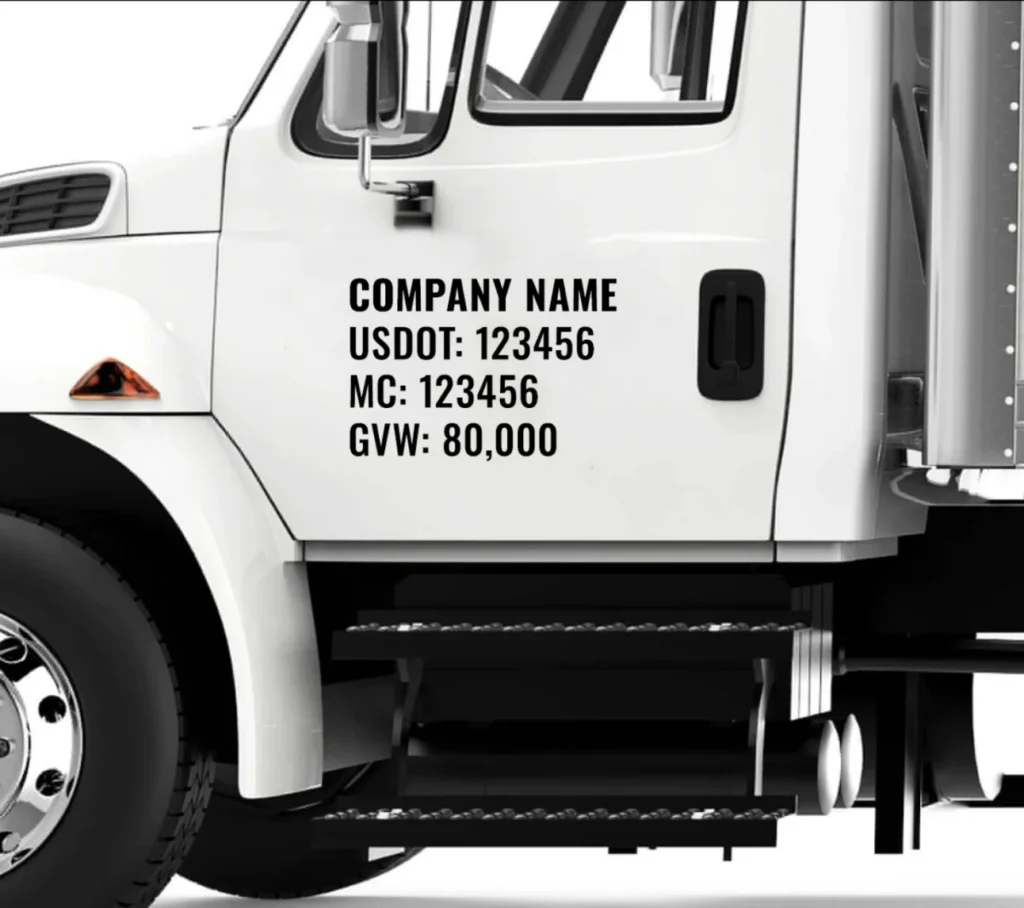
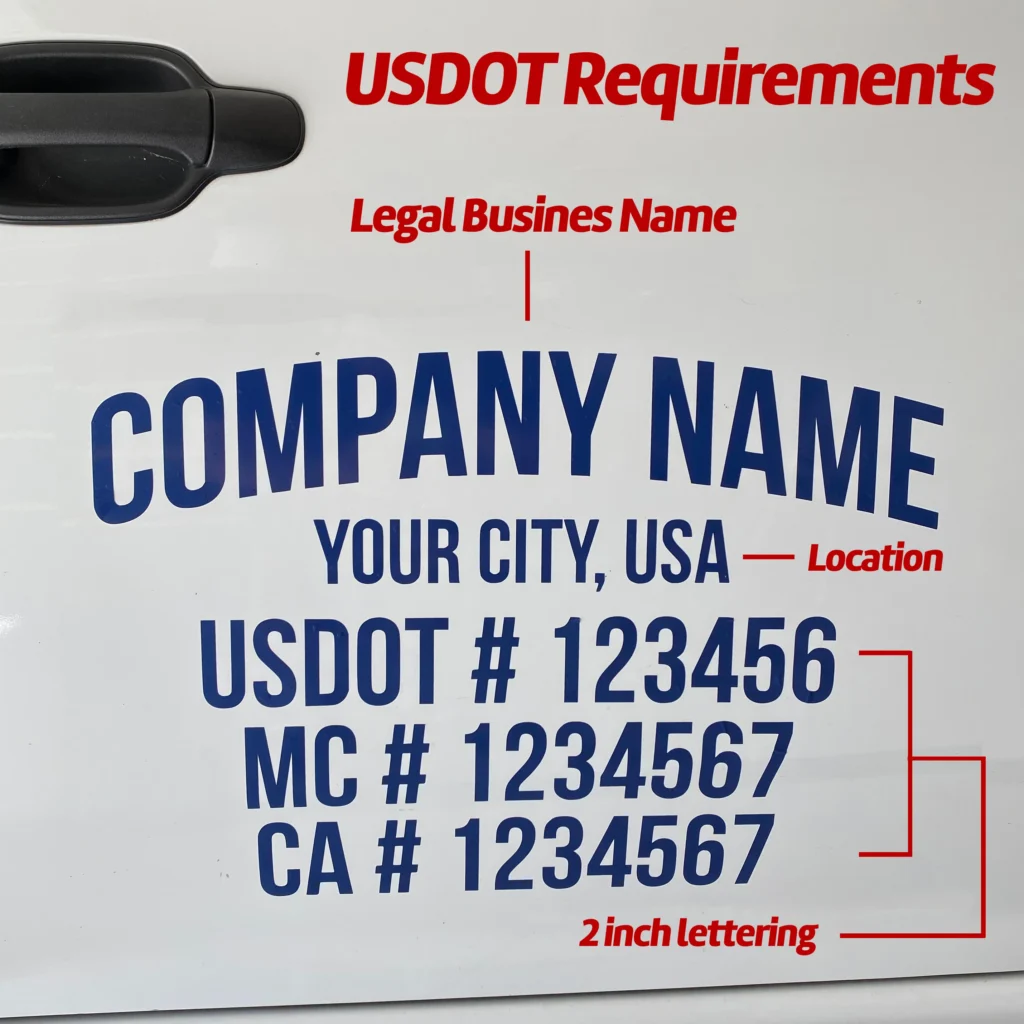
- Update your records Display the USDOT Number on both sides of your vehicles (size and placement requirements apply).
- Complete additional steps (if needed)
- Apply for Operating Authority (if for-hire interstate)
- File BOC-3 (process agents)
- Get proper insurance
Warning: Never buy, sell, or lease a USDOT Number. FMCSA strictly prohibits this and may inactivate numbers involved in fraud.
Benefits of Having a Proper DOT Number
- Legal compliance and ability to operate
- Builds credibility with shippers and brokers
- Helps maintain a good safety record
- Required for insurance, permits, and load boards
Common Mistakes to Avoid
- Using someone else’s USDOT Number
- Failing to update company information after changes
- Not displaying the number correctly on vehicles
- Delaying authority or insurance filings after getting the USDOT Number
Frequently Asked Questions (FAQ)
1. Is a DOT Number the same as a USDOT Number? Yes. They are used interchangeably. The official term is USDOT Number.
2. Do I need both a DOT Number and an MC Number? You always need a USDOT Number. An MC Number (Operating Authority) is required only if you haul freight or passengers for hire across state lines.
3. How long does it take to get a DOT Number? Usually instantly or within 1–2 days.
4. Can I operate without a DOT Number? No. Operating without one can result in fines, out-of-service orders, and legal issues.
5. What is the Motus system? FMCSA’s new modern registration platform rolling out in 2026. It will make registration more secure and eventually use USDOT suffixes instead of separate MC Numbers.
6. Do owner-operators need their own DOT Number? Yes, if they operate under their own authority.
DOT Number for Trucks: A Must-Have Badge
In the trucking business, a DOT number isn't just a good idea; it's a must-have.
If you run a big group of semi-trucks moving goods across the country or manage small box trucks for local deliveries, every business truck needs to show this special number to prove it follows safety rules.
DOT Number Synonyms:
Understanding the Different Names
In the world of transport, people use a few different names for the "DOT number", but they all mean the same important ID:
- DOT Number for Trucking: This phrase highlights how the DOT number applies to the trucking business. Keep in mind that the DOT number isn't just for trucks - it's for all commercial motor vehicles.
- USDOT Number: As we mentioned earlier, a USDOT number is a DOT number with "US" at the start showing it's from America. While there's little difference between the two, people in the trucking world use both terms without getting mixed up.
- MC Number (Motor Carrier Number): You might come across the term "MC number" in some situations. It's another way to discuss the DOT number when discussing the carrier's operating authority with the FMCSA.
Knowing these similar terms helps people in the transportation industry talk better.
It makes things clear and stops mix-ups when discussing rules.
DOT Number vs. DOT Certification:
Explaining the Big Difference
The DOT gives your whole company a DOT number, but DOT certification is something else that each driver needs. This certification shows a driver is qualified, has a good driving history, and is healthy enough to drive big vehicles. It proves the driver is good at their job and cares about safety.
Most states say commercial drivers must have DOT certification. To get it, drivers need to:
- Medical Examination: An in-depth health check to evaluate whether the driver is fit and can handle commercial vehicle challenges.
- Knowledge Testing: Written exams to check the driver's understanding of road rules, regulations, and safe driving methods.
- Skills Testing: Practical driving tests to evaluate how well the driver can handle and control commercial vehicles in different scenarios.
Getting DOT certification shows that drivers are serious about safety and professionalism, which makes employers and the public trust them more.
Whether you need to get a DOT number depends on several things such as what your business does and the rules that apply to your particular industry:
● Vehicle Weight: If your company runs commercial vehicles weighing over 10,000 pounds, you need a DOT number even for in-state operations.
● Passenger Transportation: Companies that move passengers for money, like shuttle services, charter buses, or taxis need to get a DOT number.
● Hazardous Materials: If you transport hazardous materials, you must have a DOT number to follow safety rules.
● Interstate Operations: Any business that moves goods or passengers between states has to have a DOT number to work.
Along with these general rules, each state might have its own extra rules for DOT numbers. It's important to check with your state's transportation office to make sure your business follows all the rules that apply.
How to Get a DOT Number: A Step-by-Step Guide
To obtain a DOT number, you need to pay close attention and follow the specific steps set out by the FMCSA:
1. Online Registration:
You can get a DOT number fastest by using the FMCSA's Unified Registration System (URS) website. This online tool makes applying easier walking you through each step and helping you enter your details.
2. Information Gathering and Submission:
You'll need to give complete info about your business. This includes your company's legal name where you're located how to reach you, what type of operation you run (like for-hire or private), what kinds of cargo you handle, and details about your trucks and insurance.
3. Hazardous Materials Registration (If Applicable):
If you move hazardous materials, you need to sign up with the Pipeline and Hazardous Materials Safety Administration (PHMSA). This means you have to get a Hazardous Materials Safety Permit (HMSP). This permit shows you follow the safety rules for transporting dangerous goods.
4. Review and Verification:
Check all your info before you send in your application. If you make mistakes or leave things out, it can slow down the process or even lead to rejection.
5. Payment and Processing:
After you check that your info is correct, pay the required fee and wait for the FMCSA to process it. How long this takes can change, but you'll get your unique DOT number in a few weeks.
6. DOT Number Display:
When you get your DOT number, you need to show it on both sides of your commercial vehicles. You must follow rules about size and where to put it. This helps law enforcement and officials identify your vehicles.
Making Sense of the
DOT Number System:
A Plan for Safety and Following Rules
The DOT number system is a crafted structure that has several uses:
- Carrier Identification: Each DOT number is one-of-a-kind for a specific company allowing easy tracking and identification in the FMCSA's big database. This makes sure that all safety and compliance data linked to a carrier connects to the right business.
- Safety Ratings: The FMCSA judges carriers on how safe they are, using data from inspections, compliance checks, and crash reports. These ratings fall into groups like "Satisfactory," "Conditional" or "Unsatisfactory" ratings give useful insights into a carrier's safety record. This promotes openness and responsibility in the industry.
- Operational Authority: DOT numbers also show the specific types of cargo or passengers a carrier has legal permission to transport. This makes sure carriers work within their allowed scope. It stops them from doing activities beyond their abilities or that create unnecessary risks.
Benefits of Having a
DOT Number:
Your Path to Success
Getting a DOT number isn't just about following rules; it's a smart choice that can open up many benefits for your business:
Legal Compliance:
A DOT number is your ticket to operate in the commercial transport world. Getting and keeping this ID makes sure your business follows federal and state rules. This helps you avoid big fines, penalties, and possible hitches in your work.
Better Safety:
To get and keep a DOT number, you need to stick to tough safety rules. This doesn't just cut down on accident risks. It also builds a safety-first mindset in your company making everyone committed to keeping drivers, passengers, and the public safe.
Credibility and Trust:
Putting your DOT number on your trucks tells your customers and partners a lot. It shows you care about safety, dependability, and being professional. This makes your brand look better and helps people in the business trust you more.
Business Growth:
Having a DOT number gives you chances to do new things in business that you couldn't do before. You can now move regulated goods, work on big government jobs, and reach out to more markets.
EasyWayPro:
Your Go-To Partner for
DOT Compliance
Getting through the maze of DOT rules can be tough.
EasyWayPro TMS & Consulting Services stands by your side making things easier and helping your business stay compliant at every turn.
Our team of experienced pros offers a full range of services:
DOT Number Registration Help:
We walk you through the complex steps to register to make sure you get your DOT number quickly
Compliance Checks:
Our thorough checks spot potential compliance issues letting you fix problems before they turn into expensive fines.
Safety Lessons:
We offer complete safety courses for your drivers giving them the know-how to drive on the road.
Risk Management Plans:
We create custom plans to protect your business from unexpected problems, keep your operations running, and reduce possible legal troubles.
When you team up with EasyWayPro, you can be confident that your transport company is in good hands.
We'll take care of the tricky parts of DOT rules, so you can put your energy into what you're best at – moving goods and services and well.